
A Guide to Choosing the Right Pipes for Your Plumbing Needs
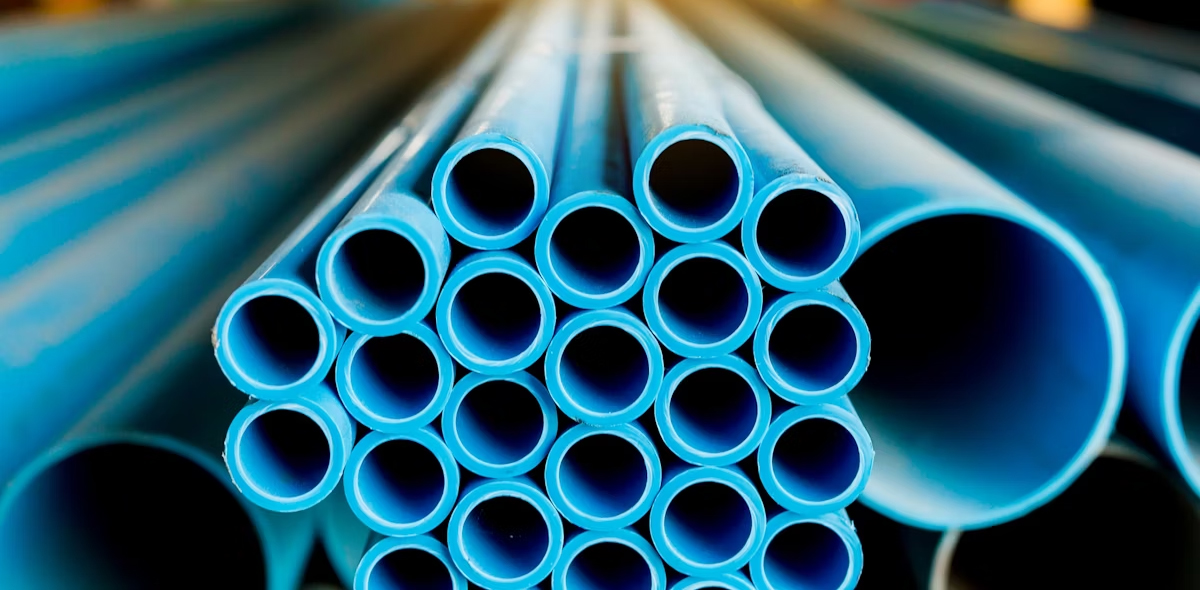
Selecting the right pipes is a crucial step in avoiding situations like water leakages, pipe blockages, bursting pipes, and more. Posing a significant risk to your property. These issues also caused contamination of water and soil which results in various health hazards. Plastic pipes are a popular choice due to their versatility and reliability. They can be used for various purposes, from delivering clean drinking water to borewells and drainage applications.
We understand the need for robust, durable, and efficient plumbing systems in both urban and rural areas. Plastic pipes and fittings offer a superior alternative to traditional GI and metal pipes. Their corrosion and chemical-resistant properties make them highly durable and hassle-free solutions for various applications. Unlike GI and metal pipes, plastic pipes do not corrode or rust over time, ensuring long-term reliability and minimal maintenance.
In this guide, we will explore the different types of plastic pipes and their applications and provide a clear overview of common plastic pipes like PVC, CPVC, UPVC, HDPE, and borewell. We'll also discuss specialised drainage pipes like SWR. Each type has advantages and is suited for specific applications, from household plumbing to urban and town planning to large agricultural requirements.
Types of Plumbing Pipes
1. PVC Pipes
PVC pipes, or Polyvinyl Chloride pipes, are a cornerstone of plastic plumbing solutions. They're renowned for their durability, versatility, and cost-effectiveness, making them a popular choice across various industries.
PVC pipes and fittings offer a compelling combination of benefits. These pipes are resistant to corrosion and abrasion, ensuring long-lasting performance. Their lightweight design and simple joining methods make installation quick and easy, saving time and labour costs. Manufactured with NSF-approved raw materials, these pipes meet international quality standards. Their water-tight joints prevent leakages. Moreover, they require minimal maintenance and are durable, which ensures long-term use.
PVC pipes offer robust water supply lines. They are also a mainstay in irrigation systems, ensuring a reliable flow of water for agriculture and landscaping.
2. UPVC Pipes
uPVC pipes (unplasticised polyvinyl chloride) are a common choice for plumbing in both residential and commercial. They're used for water supply, sewage, and drainage systems. uPVC doesn't affect water quality and is safe for drinking water. These pipes are strong and long-lasting, suitable for above-ground or underground use.
uPVC pipes boast several key features that make them a preferred choice. They are strong, resilient, and built to last, ensuring durability over time. Additionally, they offer excellent resistance to chemicals and corrosion, enhancing their longevity. Their lightweight nature makes handling and installation hassle-free. Furthermore, uPVC pipes and fittings are designed to be leakproof, minimising the risk of water wastage. They are also economical, offering cost-effective solutions for various plumbing needs. Additionally, they require minimal maintenance, which ensures hassle-free operation.
3. HDPE Pipes
.jpg)
HDPE pipes are known for their durability, resistance to corrosion, and flexibility. In agricultural and irrigation projects, where water distribution is crucial, these HDPE agriculture pipes stand out. They provide high-impact resistance and can adapt to shifting soil conditions, making them ideal for such applications. Their longevity, low maintenance requirements, and quick installation process make them a top choice for plumbing needs. Additionally, HDPE pipes find applications in house connections, industrial settings, mining operations, and underground drainage systems.
Factors to consider when selecting plumbing pipes & fittings
Selecting the right plumbing pipes & fittings for your needs involves a thoughtful evaluation of various factors to ensure an efficient system. First and foremost, adherence to quality and industry standards is non-negotiable, guaranteeing that the chosen pipes meet the necessary benchmarks for performance and durability.
Application-Specific Considerations
Tailoring your choice based on specific plumbing needs is crucial. There can be unique considerations for various requirements like potable water supply, sewage systems, agricultural irrigation, or industrial applications.
Quality Standards
Ensuring the selected pipes adhere to industry standards and certifications is paramount. Quality assurance guarantees that the chosen pipes meet the necessary benchmarks for durability and performance.
Durability and Longevity
The importance of selecting durable and long-lasting plastic pipes cannot be overstated in plumbing. While opting for economical pipes may seem a practical choice initially, the long-term benefits of superior-quality materials far outweigh any short-term savings. Plastic pipes, renowned for their affordability, must also be chosen based on quality row material, manufacturing excellence, durability and longevity to ensure optimal performance and safety.
Corrosion and Chemical Resistance
Corrosion and chemical resistance emerge as a cornerstone consideration when navigating the vast landscape of pipes for your plumbing needs. In the relentless battle against the elements and chemical agents, a pipe's ability to withstand corrosion is non-negotiable for ensuring the longevity and integrity of your plumbing system.